






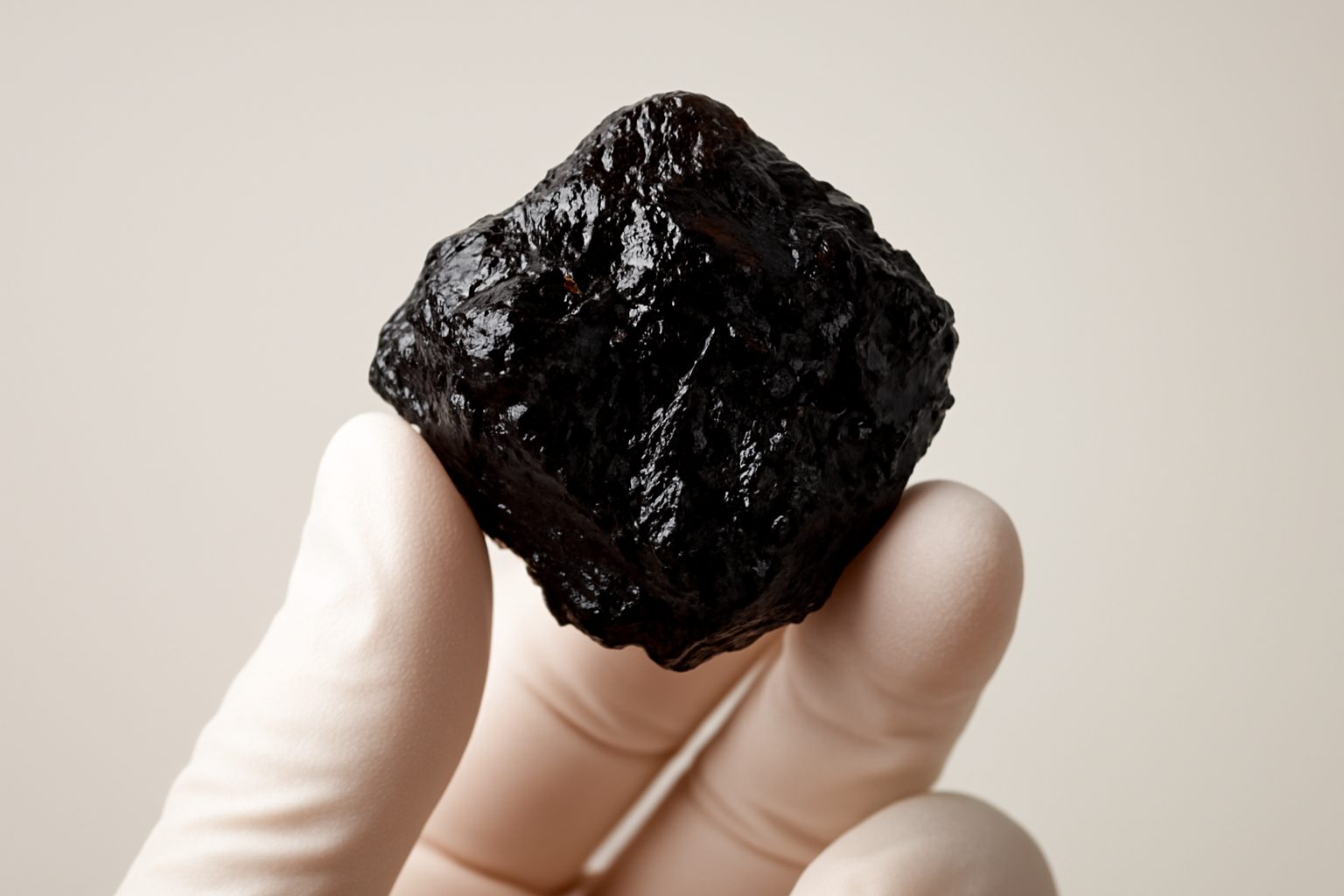
What makes a mountain-derived wellness ingredient so fascinating to modern consumers? Natural products with a strong geographical identity are gaining attention as people become more curious about traditional ingredients and their origins. Among these, himalayan shilajit represents a distinctive natural substance shaped by mountainous environments, traditional knowledge, and a mineral-rich composition that continues to attract interest across the wellness sector.
What’s Covered
- What makes the Himalayan landscape important?
- How does this natural treasure develop?
- Which natural components make it notable?
- Why has shilajit remained relevant over generations?
- What does a quality-focused approach look like?
- Why is resin considered a traditional presentation?
- What does the growing consumer interest tell us?
- How can this mountain ingredient complement modern lifestyles?
- Why does the story behind an ingredient matter?
- Conclusion
What makes the Himalayan landscape important?
The Himalayan region is recognised for its dramatic altitude, rocky terrain, changing temperatures, and diverse natural environments. These conditions contribute to the unique character of substances that develop naturally within the mountains.
Shilajit is closely associated with this landscape because it develops gradually within rock formations. Its natural origin is therefore an important part of its identity and helps explain why it has been valued within traditional wellness practices for generations.
How does this natural treasure develop?
Shilajit is formed through a slow natural process involving organic plant material and mineral substances found within mountainous environments. Over extended periods, these materials undergo transformation under environmental conditions associated with high-altitude regions.
The result is a dark, dense substance commonly prepared in resin form. This lengthy natural development is one reason shilajit has such a distinctive place among traditional wellness ingredients.
Which natural components make it notable?
The composition of shilajit is one of its most discussed characteristics. Naturally occurring fulvic acid and a range of trace minerals contribute to its overall profile.
The precise composition can vary according to geographical source and preparation methods. This variation is a natural characteristic and highlights the importance of responsible sourcing and suitable quality controls.
Why has shilajit remained relevant over generations?
Traditional ingredients often remain meaningful when they combine cultural heritage with distinctive natural characteristics. Shilajit has been associated with Himalayan and South Asian wellness traditions for a long period, giving it a history that extends well beyond today’s wellness market.
Its continued popularity reflects renewed curiosity about traditional natural substances and an interest in understanding how historic ingredients can fit within contemporary lifestyles.
What does a quality-focused approach look like?
Modern consumers increasingly want greater transparency from natural wellness products. Knowing where an ingredient comes from, how it is prepared, and whether it has undergone appropriate laboratory testing can make the selection process more informative.
For shilajit, quality-focused preparation can include careful sourcing, controlled processing, clear ingredient information, and testing that supports confidence in purity and composition. These factors help connect traditional ingredients with modern expectations.
Why is resin considered a traditional presentation?
The resin form retains much of the visual and textural character associated with naturally prepared shilajit. Its dense consistency gives it a distinctive identity within the wellness category.
For consumers who appreciate traditional formats, resin offers a direct connection to the ingredient’s heritage. Its concentrated nature also makes it suitable for incorporation into a straightforward wellness routine when used according to the product’s directions.
What does the growing consumer interest tell us?
Interest in naturally sourced products reflects a broader shift toward mindful consumption. Consumers are increasingly examining ingredient lists, production standards, origins, and overall product quality rather than focusing only on convenience.
This trend gives traditionally sourced ingredients an opportunity to stand out. Shilajit’s combination of Himalayan heritage, natural formation, fulvic acid, and trace minerals provides a clear identity within this expanding category.
How can this mountain ingredient complement modern lifestyles?
The modern appeal of shilajit does not depend on changing an entire lifestyle. It can be incorporated into personal wellness preferences alongside balanced nutrition, hydration, regular movement, quality sleep, and other positive habits.
This creates a practical connection between an ingredient shaped by the mountains and consumers living highly modern, fast-moving lives.
Why does the story behind an ingredient matter?
An ingredient’s journey can add meaning to the way people experience it. Shilajit’s story begins in a unique natural environment and continues through responsible preparation before reaching today’s wellness-conscious consumers.
That combination of geography, traditional knowledge, natural composition, and modern quality standards gives shilajit a distinctive narrative that extends beyond its physical form.
Conclusion
Shilajit represents a fascinating connection between the natural environment of the Himalayas and the evolving world of modern wellness. Its gradual formation, naturally occurring fulvic acid, trace minerals, traditional heritage, and distinctive resin form contribute to its enduring appeal. As interest in transparent and naturally sourced wellness ingredients continues to grow, this mountain-derived substance offers a compelling example of how nature, tradition, and contemporary consumer preferences can come together in one distinctive product.
Quick Summary
- Himalayan shilajit is a natural substance that develops within rock formations in high-altitude environments, contributing to its unique characteristics and value in traditional wellness practices.
- The composition of shilajit varies based on geographical source and preparation methods, with naturally occurring fulvic acid and trace minerals being key components of its profile.
- Modern consumers show a growing interest in the origins and preparation of natural wellness products, increasing demand for transparency and quality in ingredients like shilajit.
- Shilajit’s traditional resin form maintains its visual and textural identity, appealing to consumers who value the connection to the ingredient’s heritage.
- The popularity of shilajit in contemporary wellness reflects a renewed curiosity about traditional ingredients and their fit within modern lifestyles.
- Shilajit’s journey from a unique natural environment through responsible preparation helps create a meaningful narrative that enhances consumer experience.