





How Can Loft Access Fit Into an Energy-Efficient Home?
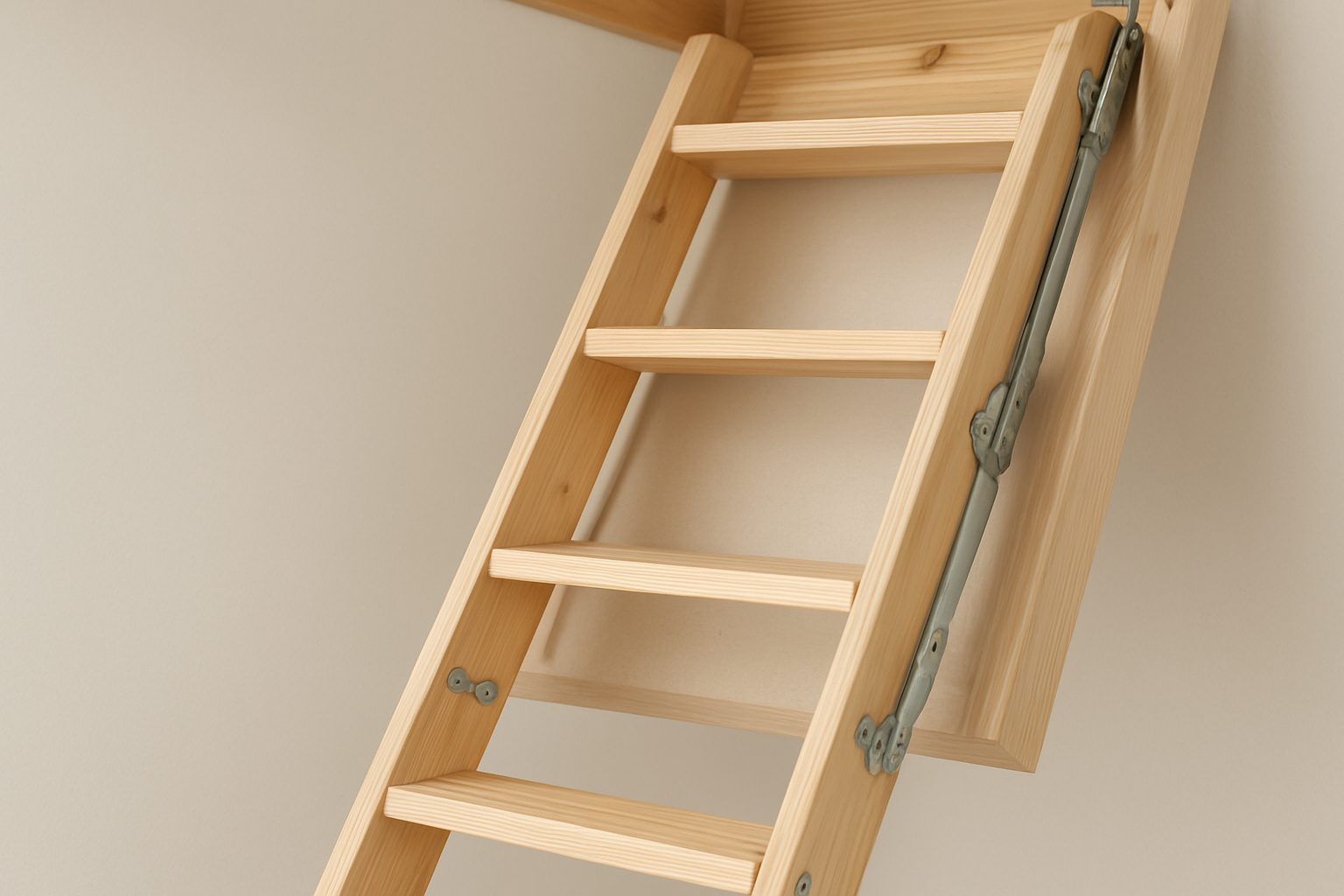
An energy-efficient property relies on several components working together, from roof insulation to well-sealed doors and windows. Loft access deserves similar consideration because openings in the ceiling can affect how effectively indoor temperatures are maintained. A wooden loft ladder provides convenient access to overhead storage while offering the natural insulating characteristics associated with timber. Its overall energy contribution, however, depends on the hatch and installation surrounding it.
Why Is Thermal Conductivity Important?
Thermal conductivity describes how readily a material transfers heat. Wood generally conducts heat less readily than many metals, making timber a useful material in applications where reduced heat transfer is desirable.
This characteristic should not be confused with complete insulation. A ladder does not form an airtight or continuous thermal barrier across the loft opening. The hatch, frame, and seals determine much of the performance of the overall assembly.
Understanding this distinction helps homeowners make practical decisions instead of expecting the ladder alone to deliver substantial energy savings.
What Role Does an Insulated Hatch Play?
During colder weather, warm indoor air can escape through poorly sealed ceiling openings. In warmer conditions, heat may also transfer from the loft into the living area. An appropriately insulated hatch can help limit these exchanges.
Effective hatch design should include suitable insulation, a close-fitting frame, and durable weatherstripping. The cover should shut securely after each use, preventing unnecessary gaps from developing around the opening.
These improvements may support more stable indoor temperatures and help heating or cooling systems operate under less demanding conditions.
Can Loft Maintenance Improve Overall Building Performance?
Accessible loft spaces are easier to inspect and maintain. Homeowners can periodically examine insulation coverage, identify damaged seals, and check for signs of moisture or roof problems.
Insulation that has been compressed, displaced, or interrupted may perform less effectively. A convenient ladder allows routine checks without requiring improvised access methods. Any repairs should be completed carefully to avoid damaging electrical installations, ceiling finishes, or ventilation pathways.
Maintaining appropriate ventilation is also important. Energy efficiency should not come at the expense of indoor air quality or moisture control.
Which Features Matter When Selecting a Ladder?
The most appropriate option depends on the dimensions and layout of the property. Buyers should evaluate ceiling height, loft opening size, available clearance, folding mechanism, construction quality, and load capacity.
A timber ladder may suit interiors where a natural appearance is preferred. Its finish and condition should be appropriate for the installation environment, while hinges and other moving components should operate reliably.
Correct sizing is essential because an unsuitable ladder may create operational difficulties or prevent the hatch from closing properly.
How Can Homeowners Maintain Long-Term Reliability?
A regular inspection routine can help preserve both safety and usability. Check the ladder for loose screws, worn joints, damaged timber, and signs of excessive movement. Follow manufacturer guidance for cleaning, lubrication, and repairs.
Inspect the hatch seal periodically and replace deteriorated weatherstripping when necessary. After accessing the loft, ensure the cover closes completely. These straightforward practices help maintain the intended performance of the ceiling opening.
What Delivers the Best Energy Efficiency Results?
Energy improvements are most effective when they address the actual sources of heat loss. For loft access, this means prioritising insulation, air sealing, sound installation, and appropriate maintenance.
A wooden ladder can form part of this solution by providing dependable access in a material that naturally transfers heat relatively slowly. When combined with a properly insulated and sealed hatch, it supports a considered approach to household comfort, building care, and responsible energy management.
Quick Summary
- A wooden loft ladder offers convenient access while providing natural insulating properties associated with timber.
- The effectiveness of loft access in energy efficiency primarily relies on the hatch, frame, and seals surrounding it.
- An insulated hatch can limit heat exchanges by preventing warm indoor air from escaping during colder weather and reducing heat transfer from the loft in warmer conditions.
- Regular loft maintenance allows homeowners to inspect insulation coverage and identify issues like damaged seals that may affect energy performance.
- When selecting a loft ladder, factors such as ceiling height, loft opening size, and construction quality must be evaluated.
- Energy efficiency is most effectively achieved by addressing sources of heat loss through insulation, air sealing, and proper maintenance.
