




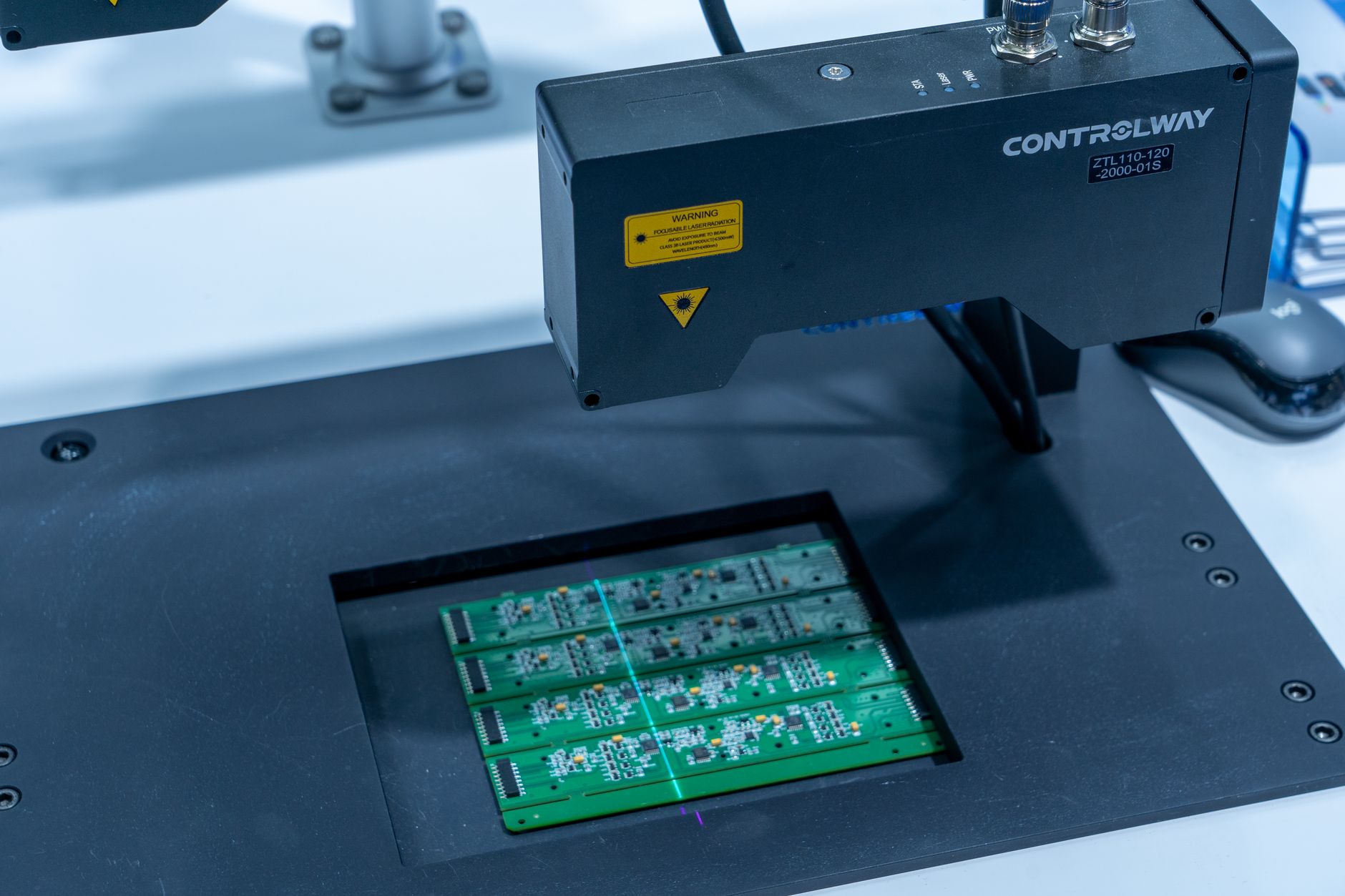
The microneedle production system is set to revolutionize pharmaceutical manufacturing. Daewoong Pharmaceutical is targeting GMP approval next year, emphasizing their dedication to quality and innovation in the industry.
Overview of Microneedle Technology
The microneedle technology has emerged as a revolutionary approach in drug delivery systems, offering a minimally invasive method to administer medications. This innovative technology utilizes tiny needles that create microchannels in the skin, facilitating the absorption of therapeutic agents.
Microneedles can be made from various materials, including metals, polymers, and carbohydrates, which can be tailored to enhance drug delivery efficiency. The microneedle production system enables the mass production of these devices, ensuring consistency and quality. This system is critical for meeting regulatory requirements, especially for Good Manufacturing Practice (GMP) approval.
Companies like Daewoong Pharmaceutical are leading the charge in developing robust microneedle production systems. They aim to achieve GMP approval by next year, which would allow them to commercialize their microneedle products effectively. The advantages of microneedle technology include:
- Painless delivery of vaccines and medications
- Improved patient compliance due to ease of use
- Enhanced bioavailability compared to traditional delivery methods
As research and development continue, the microneedle technology holds promise for various applications, including vaccines, insulin delivery, and pain management.
Importance of GMP Approval
In the rapidly evolving field of biotechnology, the significance of Good Manufacturing Practice (GMP) approval cannot be overstated. For companies involved in the production of innovative medical devices, such as the microneedle production system, adhering to GMP guidelines is essential for ensuring product safety, efficacy, and quality.
GMP approval serves as a hallmark of credibility and trust. It assures regulatory bodies and consumers alike that the manufacturer has implemented rigorous quality control processes. This is particularly crucial for microneedle technology, which has the potential to transform drug delivery methods. The delicate nature of microneedles, which are designed to penetrate the skin painlessly, necessitates a high standard of production to avoid contamination and ensure consistent performance.
Furthermore, obtaining GMP approval facilitates smoother pathways for market entry. It allows companies to gain access to new markets and enhances their competitive edge in the industry. As Daewoong Pharmaceutical prepares its microneedle production system for GMP certification, the focus on compliance not only reflects a commitment to quality but also positions the company as a leader in the field.
In conclusion, GMP approval is a critical milestone for any manufacturer aiming to bring innovative medical technologies to market effectively.
Daewoong’s Innovative Approach
Daewoong Pharmaceutical is making significant strides in the development of its microneedle production system, which promises to revolutionize the administration of medications. The company has adopted an innovative approach that integrates advanced technologies and streamlined processes to enhance production efficiency and product efficacy.
One of the key features of Daewoong’s strategy is the use of automated manufacturing processes, which reduce human error and ensure consistency in microneedle quality. This automation not only accelerates production timelines but also aligns with the stringent requirements set forth by regulatory bodies for Good Manufacturing Practice (GMP) approval.
In addition, Daewoong emphasizes collaboration with various stakeholders, including research institutions and industry experts, to refine its microneedle technology. By leveraging external expertise, the company aims to optimize its production system further and address any potential challenges that may arise during the GMP approval process.
As Daewoong prepares to submit its microneedle production system for regulatory scrutiny next year, the company remains focused on achieving its goal of delivering safe and effective healthcare solutions to patients worldwide.
Future of Microneedle Production
The future of microneedle production is poised for significant advancements as the demand for innovative drug delivery systems continues to grow. With the successful implementation of a microneedle production system, companies like Daewoong Pharmaceutical are setting the stage for a new era in pharmaceutical manufacturing.
As this technology evolves, several key factors will shape its future:
- Increased Efficiency: Automating the production process will enhance output while minimizing costs.
- Improved Precision: Advances in materials and design will lead to more effective and targeted delivery of medications.
- Regulatory Compliance: Achieving GMP approval will ensure that microneedle systems meet stringent safety and quality standards, facilitating broader market acceptance.
- Expanded Applications: Beyond vaccines, microneedles may be used for a variety of treatments, including pain management and chronic disease therapies.
As the industry looks ahead, the combination of innovative technology and regulatory advancements will likely pave the way for widespread adoption and success of microneedle production systems, ultimately transforming patient care.
Industry Impact and Potential
The advancement of the microneedle production system is poised to significantly impact the pharmaceutical industry, particularly in the realm of drug delivery and vaccine administration. With the growing emphasis on minimally invasive techniques, microneedles offer a promising alternative to traditional injection methods, enhancing patient comfort and compliance.
As companies like Daewoong Pharmaceutical strive for GMP approval, the implications for broader industry standards are profound. The ability to produce microneedles under stringent regulatory conditions ensures not only safety and efficacy but also opens doors for various applications, including:
- Vaccine delivery: Microneedles can facilitate rapid and efficient immunization, potentially transforming public health responses.
- Painless drug administration: Patients may prefer microneedle systems over traditional syringes, leading to improved adherence to treatment regimens.
- Targeted therapy: The precision of microneedles allows for localized treatment, minimizing systemic side effects.
As the microneedle production system gains traction, its potential to revolutionize healthcare delivery becomes increasingly evident, paving the way for innovative solutions that align with the evolving landscape of medical technology.
Photo by Peter Xie on Pexels