





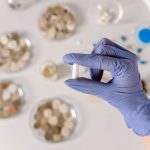
Polypropylene (PP) is one of the most widely used plastics in the world, found in everything from food packaging and automotive parts to textiles and consumer goods. Despite its versatility and widespread application, the recycling of polypropylene presents unique challenges. However, recent innovations are paving the way for more efficient and sustainable recycling solutions. Understanding both the obstacles and advancements in the PP Recycling process is essential for industries aiming to reduce their environmental footprint and promote circular economy practices.
Understanding the Challenges in PP Recycling
The primary challenge in polypropylene recycling lies in its collection and sorting. Unlike materials such as PET (polyethylene terephthalate), which is commonly used in beverage bottles and has an established recycling stream, PP is used in a broader range of products. These products are often contaminated with food, adhesives, or mixed with other polymers, making it difficult to isolate and recycle PP at scale.
Another issue is the degradation of polymer quality after multiple recycling cycles. When PP is mechanically recycled, it undergoes heat and shear stress that can break down its molecular structure. This leads to reduced material performance, limiting the recycled resin’s usability in high-quality or demanding applications.
Inconsistent composition is also a concern. Since PP products often contain additives, fillers, or dyes, the resulting recycled material can vary in color, strength, and durability. This inconsistency makes it less attractive to manufacturers who require reliable input materials for their products.
Technological Innovations Improving PP Recycling
Despite these challenges, significant progress is being made to enhance the efficiency and quality of PP recycling. Advanced sorting technologies are now being deployed in material recovery facilities (MRFs). These systems use near-infrared (NIR) sensors and machine learning algorithms to accurately identify and separate PP from mixed waste streams, even when it is contaminated or colored.
Chemical recycling has also emerged as a promising solution to the limitations of mechanical recycling. This process involves breaking down PP into its monomer components, which can then be repolymerized into virgin-quality plastic. Unlike mechanical recycling, chemical recycling can handle heavily contaminated or complex PP waste, offering a higher-quality output suitable for food-grade and medical applications.
Another innovation is the development of compatibilizers and additives that improve the mechanical properties of recycled PP. These additives enhance the durability, flexibility, and consistency of recycled resin, making it more suitable for a broader range of applications. Some companies are also exploring closed-loop systems, where PP waste from a specific source is collected, recycled, and reused within the same production cycle, ensuring greater control over material quality.
Policy and Industry Support
Regulatory support and industry collaboration are also playing critical roles in addressing the challenges of PP recycling. Governments and industry groups are investing in infrastructure, setting recycled content targets, and offering incentives for companies that use recycled materials. These efforts are encouraging innovation and helping to scale up recycling technologies.
Conclusion
The recycling of polypropylene is a complex but increasingly promising area within the broader field of plastic sustainability. While challenges such as contamination, degradation, and sorting inefficiencies persist, innovations in sorting technology, chemical recycling, and material enhancement are transforming how PP waste is managed. By embracing these advancements and supporting industry-wide cooperation, the path toward a more circular and sustainable plastic economy becomes clearer and more achievable.


