





Modern cardiovascular medicine increasingly depends on the relationship between clinical expertise and advanced diagnostic information. Cardiac imaging can provide valuable details about heart structure and function, while clinical evaluation gives those findings meaningful context. Dr Sergio Sokol brings experience in cardiology, echocardiography, transesophageal echocardiography, and nuclear cardiology, creating a professional foundation for integrating diagnostic imaging with comprehensive cardiovascular care.
What’s Covered
- Connecting Imaging With the Broader Clinical Picture
- The Contribution of Echocardiography
- Specialized Imaging Through Transesophageal Echocardiography
- Adding Perspective Through Nuclear Cardiology
- Experience That Connects Technology and Patient Care
- Supporting Individualized Cardiovascular Assessment
- The Future of Integrated Cardiology
- Conclusion
Connecting Imaging With the Broader Clinical Picture
Cardiac imaging is most valuable when it contributes to a complete understanding of a patient’s cardiovascular health. Images and measurements can reveal important details, but their significance becomes clearer when considered alongside medical history, symptoms, physical findings, and other relevant information.
This integrated perspective allows imaging to function as part of a larger clinical process. Rather than treating diagnostic results as isolated information, a comprehensive approach considers how different findings relate to the patient’s overall cardiovascular profile.
The Contribution of Echocardiography
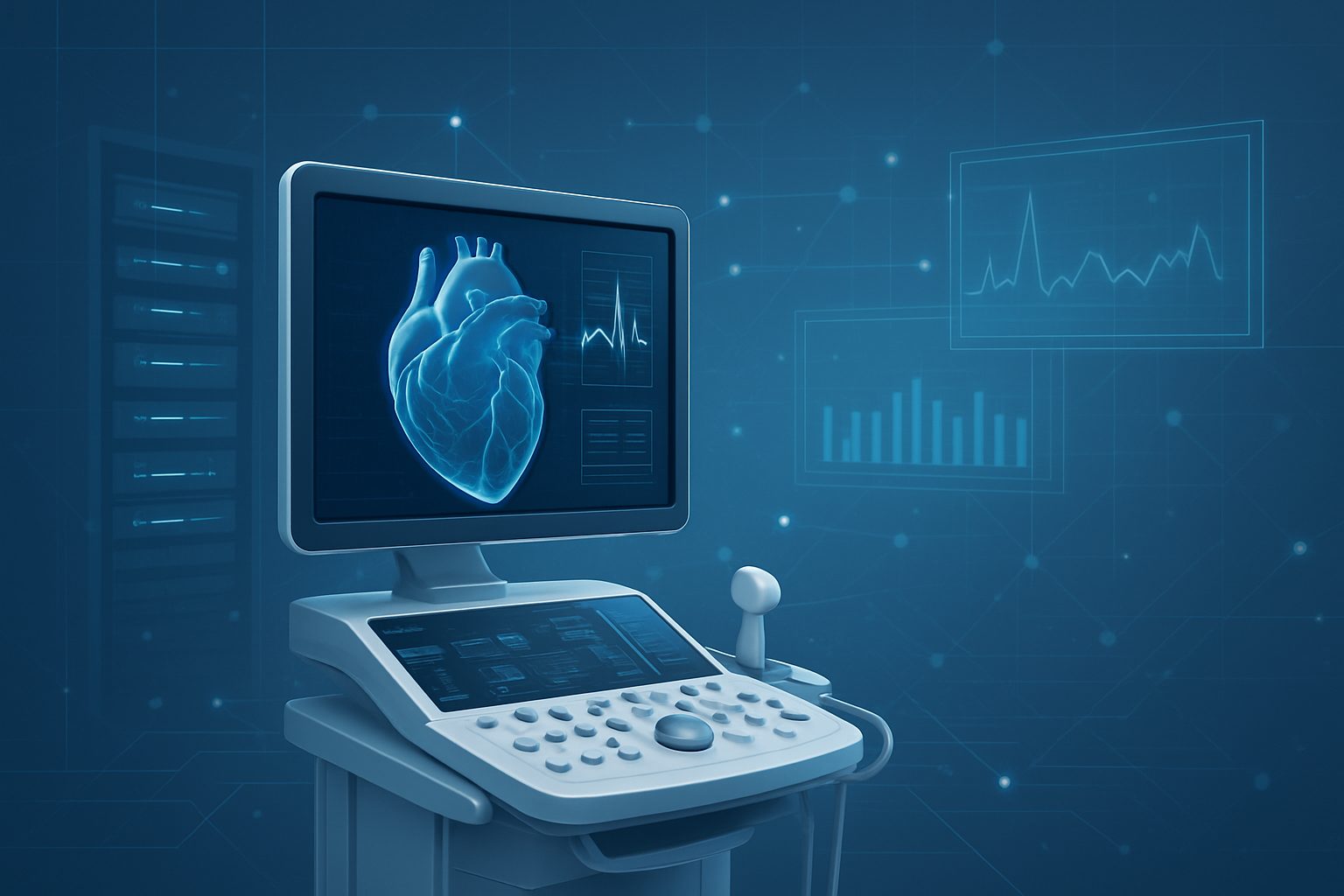
Echocardiography is a central tool in cardiac assessment because it can provide detailed information about the heart’s chambers, valves, movement, and pumping performance. Its ability to visualize cardiac function makes it particularly useful within a broader clinical evaluation.
Professional experience in echocardiography involves understanding both the technical capabilities of imaging and the clinical relevance of the information it provides. This connection can support a more informed interpretation of cardiovascular findings.
Specialized Imaging Through Transesophageal Echocardiography
Transesophageal echocardiography offers another perspective for examining cardiac structures. By providing detailed views from a different imaging position, it can contribute additional information when specialized evaluation is appropriate.
Experience with this technique demonstrates how modern cardiology can use different diagnostic approaches to develop a more complete understanding of cardiovascular anatomy and function. Its role fits naturally within a broader strategy that combines specialized imaging with clinical knowledge.
Adding Perspective Through Nuclear Cardiology
Nuclear cardiology contributes another valuable dimension to cardiovascular assessment. It can provide information related to cardiac function and blood flow, complementing findings obtained through other diagnostic methods.
A background that includes both imaging modalities and clinical cardiology encourages a wider perspective. Different forms of diagnostic information can be considered together, helping create a more comprehensive understanding of cardiovascular wellness.
Experience That Connects Technology and Patient Care
Dr Sergio Sokol NewYork has developed professional experience across clinical cardiology, cardiac imaging, private practice, and hospital leadership. This breadth provides a foundation for understanding how diagnostic technology can support practical clinical care.
The integration of technology and medicine also depends on communication. Patients benefit when diagnostic information is incorporated into clear clinical discussions, allowing them to better understand the purpose and value of their cardiovascular evaluation.
Supporting Individualized Cardiovascular Assessment
Every patient has a distinct medical history and cardiovascular profile. Integrating imaging with clinical care allows diagnostic information to be considered in relation to individual circumstances rather than viewed independently.
This personalized perspective supports a professional model of cardiovascular medicine in which technology, clinical judgment, and patient needs work together. It can also encourage greater awareness and engagement with long-term heart health.
The Future of Integrated Cardiology
As cardiovascular technology continues to develop, the relationship between diagnostic imaging and clinical medicine is likely to become even more important. New capabilities can provide increasingly detailed information, while experienced clinical interpretation remains essential for placing those findings into context.
An integrated approach creates a positive pathway for combining innovation with established principles of careful cardiovascular evaluation.
Conclusion
Integrating cardiac imaging with clinical care represents an important aspect of contemporary cardiovascular medicine. Dr Sergio Sokol brings together experience in echocardiography, transesophageal echocardiography, nuclear cardiology, and clinical practice, demonstrating the value of combining specialized diagnostic knowledge with comprehensive patient evaluation. This approach supports a thoughtful model of cardiovascular care built around detailed information, clinical perspective, and individualized attention.
Quick Summary
- Modern cardiovascular medicine relies on the synergy between clinical expertise and advanced diagnostic imaging.
- Echocardiography is essential in cardiac assessment as it provides detailed insights into the heart’s chambers, valves, and pumping performance.
- Transesophageal echocardiography enhances cardiac evaluations by offering different perspectives on cardiac structures.
- Nuclear cardiology complements other diagnostic methods by delivering insights related to cardiac function and blood flow.
- Dr. Sergio Sokol’s experience across various fields of cardiology supports an integrated approach to personalized cardiovascular care.
- An integrated model of cardiovascular medicine prioritizes individual patient circumstances, combining technology, clinical judgment, and patient needs.